


The 3 Types of Gum Grafts
May 19, 2026
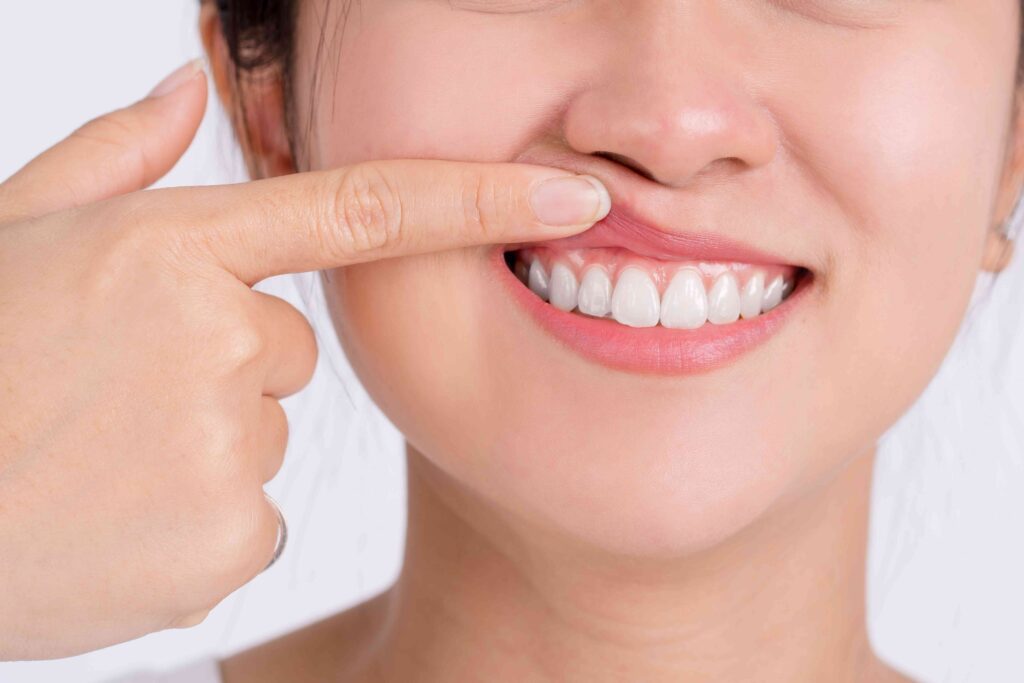
When we think about our smiles, our teeth is probably the first thing that comes to mind. We use our teeth to chew our food and smile with confidence. However, something we don’t think about is the impact that our gums have. If you have experienced gum recession, a gum graft may be the solution that you need to show off a proportionate smile. Continue reading to learn more about gum grafts and their different types.
Why Do I Need a Gum Graft?
Gum grafts are typically recommended to treat gum recession, a common dental condition that affects an estimated 4% to 12% of adults. Gum recession occurs when the tissue that surrounds and supports your teeth gradually pulls away, exposing the tooth root. When roots are exposed, they become more sensitive to hot and cold temperatures and are more vulnerable to decay. If left untreated, recession can lead to damage of the supporting bone and, in severe cases, eventual tooth loss.
To prevent these complications and protect your oral health, a gum graft may be necessary. This procedure involves taking healthy tissue, often from the roof of your mouth or a donor source, and carefully attaching it to the affected area. The graft helps cover exposed roots, reduce sensitivity, prevent further recession, and promote proper healing.
The 3 Types of Gum Grafts
There are three main types of gum grafting. Here’s how each of them works.
- Connective Tissue Graft: This is a common gum graft in which the dentist removed tissue from beneath a flap in the palate and moves it to the affected area of your gums. It is them bonding into place. This is common for those suffering from root exposure due to gum disease.
- Free Gingival Graft: This is a similar procedure to the connective tissue graft. However, this option provides more precise gum enhancement treatment. It is also ideal for those who have thinning and receding gum tissue.
- Pedicle Graft: This procedure involves your denture using your existing gum tissue in the problematic area. They will use a flap as they would with other types of grafts, but the healthy tissue is moved and reattached to a different section of the gums that requires additional support.
Following a gum tissue graft, it is important to follow your dentist’s instructions to make sure that the healing process goes as smoothly as possible. With the help of your dentist and proper at-home care, you can expect a more proportionate smile in no time!
About the Author
Dr. Franco Cordini is an experienced periodontist who has been working in the field for more than two decades. He earned his dental doctorate from Creighton University School of Dentistry and completed his specialty training from the University of Louisville. To learn more about gum grafting or to schedule an appointment at his office in Louisville, visit his website or call (502) 425-5010.
No Comments
No comments yet.
RSS feed for comments on this post.
Sorry, the comment form is closed at this time.