


Periodontal Treatment Louisville
Protect Your Smile by Safeguarding Your Gums

Gum disease doesn’t always receive the same amount of attention as tooth decay, but the truth is, it’s an extremely common cause of tooth loss! Even worse, the bacteria in your gums can spread to the rest of your body, leading to an increased risk of heart disease and other potentially deadly issues. Dr. Cordini is an expert in diagnosing and treating all manner of gum disease – from mild gingivitis to severe periodontitis. Get in touch with our office today to schedule your appointment and take the first step towards healthier gums with periodontal treatment in Louisville.
Why Choose Cordini Periodontics for Periodontal Treatment?
- State-of-the-Art Periodontal Technology and Techniques
- Dedicated Periodontist Who Spends Time with Every Patient
- Dental Insurance Welcome & Financing Options Available
What Is Periodontal (Gum) Disease?

Periodontal disease refers to inflammation and infection of the tissues that support your teeth. Without treatment, it can eventually destroy this tissue, leading to total tooth loss. The infection can also spread to other parts of your body, since your mouth is so closely linked with other parts of you. While poor oral hygiene usually results in gum disease, some people are more prone to this condition than others. It’s estimated that almost half of all adults in the US have some form of the condition.
Symptoms of Gum Disease
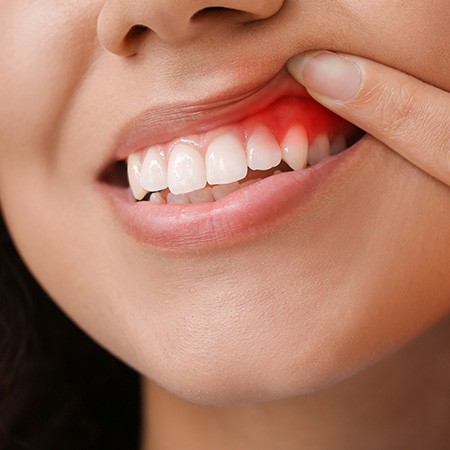
When your gums are healthy, they should feel firm and fit snugly around the teeth, with colors ranging from light pink to dark pink or even brown in others. However, gum disease can manifest symptoms such as:
- Swollen or puffy gums
- Bright red, dark red, or dark purple gums
- Gums that feel tender when touched
- Gums that bleed easily, especially while brushing your teeth
- Pain when chewing
- Gums that pull away from your teeth (gumline recession)
- Bad breath that won’t go away
- Pus between your teeth and gums
- Loose teeth or loss of teeth
Periodontal Disease & Whole-Body Connection

Treating periodontal disease is about more than just protecting your smile. The mouth is a window to the rest of the body; if there’s a problem with the gums, you may also be at risk for other health issues. Periodontal disease might affect the rest of your body by:
- Causing inflammation in the bloodstream, leading to an increased risk of heart attack.
- Increasing the risk of a respiratory infection occurring if oral bacteria are inhaled.
- Potentially contributing to Alzheimer’s and other forms of dementia.
Cordini Dental Wellness Program

Over 6 out of 10 adults are unaware that they are afflicted with chronic gum disease. The condition causes bleeding and puffy gums in its early stages and inevitably progresses to premature tooth loss when untreated or poorly treated by other unspecialized dental offices.
Dr. Cordini has created a successful dental wellness program and tailors it to your specific oral needs, which includes recurring thorough exams, preventive services, advanced dental hygiene, screenings and tests, and patient education.
Dentistry can sometimes be expensive; therefore, the prevention aspect of the wellness program is highlighted at each visit and meant to delay or forego such expenses. Excellent oral health doesn’t just happen for most people and requires a discretionary investment on your part to help minimize dental disasters down the line.
Scaling & Root Planing
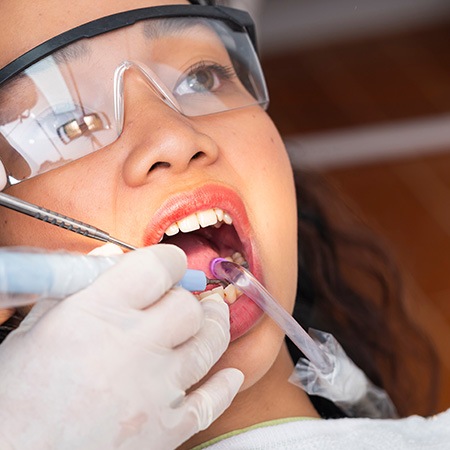
Regular dental cleanings are sufficient for dealing with the earliest forms of gum disease, but once the infection has spread to the roots of the teeth, a more in-depth approach is required. The scaling process involves removing any harmful plaque or tartar that has built up in the small spaces between the gums and teeth. Root planing is performed afterward to smooth out the rough surfaces that bacteria tend to attach themselves to.
Do I Need Scaling & Root Planing?

Dr. Cordini and our team can help you determine if scaling and root planing is a suitable treatment for your situation. We invite you to come in for a consultation if you are experiencing signs of gum disease, such as:
- Red, swollen, and tender gums
- Gums that bleed easily when you brush and floss
- Chronic bad breath
- Visible plaque buildup along your gumline
- Gum recession or noticeable pockets between your gums and teeth
The Process of Scaling & Root Planing
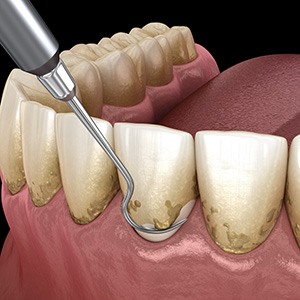
Scaling is the first part of the process. During this portion of your care, we use special instruments to remove plaque from both above and below your gumline. This is more intensive than what you would experience during a regular dental cleaning.
Root planing is when we smooth out the rough surfaces of your teeth. This makes it more difficult for bacteria to cling to them, which can reduce the risk of future reinfection. Depending on the extent of the treatment needed, scaling and root planing may require one or more appointments.
Aftercare Tips for Scaling & Root Planing

It might take a few weeks for your gums to feel normal after scaling and root planing. In the meantime, you can minimize discomfort by applying these aftercare tips:
- Gently rinse with warm salt water to reduce inflammation and loosen debris that might be caught around your teeth.
- Be very gentle when brushing and flossing.
- Eat soft, cool foods that will not irritate your sensitive oral tissues.
- Contact our team right away if you have any questions or concerns during your post-treatment period.
Antibiotic Treatment
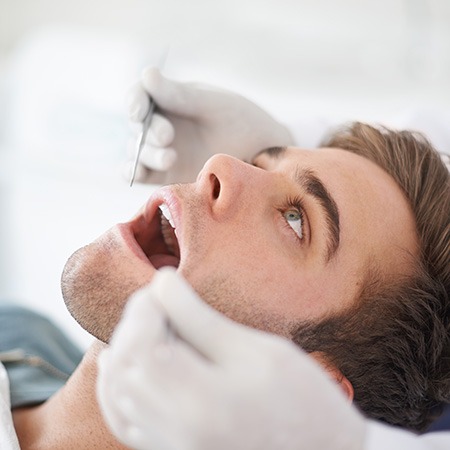
We can use antibiotic treatments to ensure that your mouth still experiences some level of protection in between visits to our office. Oftentimes, antibiotics are used in conjunction with scaling and root planing to kill any bacteria that were missed during the cleaning process, as well as to decrease the risk of new infections forming. We’ll discuss the type of antibiotics that may be prescribed during your appointment.
Oral Cancer Screening

It’s no exaggeration to say that an oral cancer screening could very well save your life. The earlier that oral cancer is identified, the easier it is to treat – and the more likely you are to survive within the next five years. While evaluating the health of your gums, we can check for potential cancer warning signs, such as white or red discolored patches. We may recommend a biopsy be performed if we find symptoms that could lead to a life-threatening problem.