


An Introduction to 4 Common Types of Gum Surgery
December 20, 2025
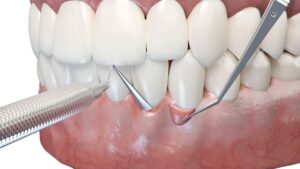
Your gums play a vital role in your oral health and overall wellness! Some dentists undergo years of additional training to become periodontists, experts in the gum tissue and other supporting structures around your teeth. These experts offer a range of surgical procedures that may do much to support your mouth’s health, function, and even its appearance. What are some of the most common types of gum surgery? This blog post provides a glimpse at four.
Gum Grafting
You might need gum grafting if you have receding gums that expose the roots of your teeth, a problem that may be the result of gum disease or other factors. This condition can lead to sensitivity and increase your risk for cavities or tooth loss. During gum grafting, a periodontist takes healthy tissue from another area of your mouth or uses donor tissue to cover exposed roots. The procedure helps restore a healthy gumline and protects the tooth surfaces.
Gingivectomy
If you have excess gum tissue that creates pockets where bacteria collect, that could seriously jeopardize your oral hygiene, leading to issues like bad breath and gum disease. A gingivectomy could be recommended. This procedure removes and reshapes the excess gum tissue, making it easier for you to keep your teeth clean and healthy.
Note that a gingivectomy is slightly different from gingivoplasty. The former is primarily functional in its purpose, whereas the latter is a cosmetic procedure that has the goal of creating a more aesthetically appealing gumline.
Pocket Reduction (Flap Surgery)
Pocket reduction, also called flap surgery, is commonly suggested when you have deep gum pockets caused by periodontal disease. These pockets can trap bacteria, making it difficult for you to maintain a healthy mouth. A periodontist carefully lifts the gums to clean the roots of your teeth and remove any infected tissue. After cleaning, the gums are placed back in position to reduce pocket depth and support healing.
Crown Lengthening
You may require crown lengthening if you need a dental crown but do not have enough exposed tooth structure to support it. This procedure removes some gum tissue, and sometimes a small amount of bone, to reveal more of your underlying tooth. The process allows your care team to place a crown securely and can also improve the appearance of teeth that look too short or uneven. Crown lengthening creates a more balanced and functional smile.
Gum surgery can accomplish quite a bit! Talk to a periodontist to find out which procedure may be able to help you achieve a healthier mouth and more confident smile.
Meet the Practice
Dr. Franco Cordini has been working as a periodontist for more than 20 years. He uses a combination of skill, experience, and technology to perform a range of surgical procedures, including the ones discussed in this article. If you have concerns about your gum health, he and our team would be pleased to welcome you in for a consultation. Contact our office in Louisville, KY, at 502-425-5010.
No Comments
No comments yet.
RSS feed for comments on this post.
Sorry, the comment form is closed at this time.